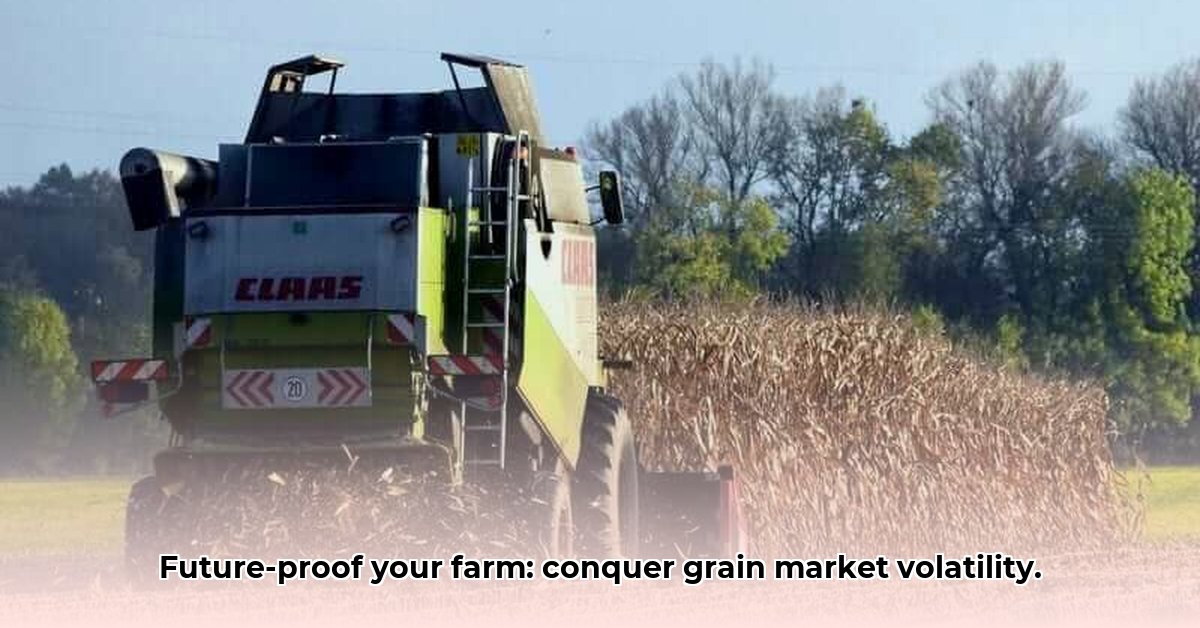
Riding the Waves of Uncertainty: Navigating the Volatile Balk Grain Market
The global food system, particularly for smaller-scale farmers specializing in niche grains like balk grain, faces a significant challenge: unpredictable price volatility. Imagine a farmer diligently cultivating land, employing sustainable practices, only to see their hard work undermined by sudden price drops in the marketplace. This instability stems from a complex interplay of factors, including climate change, global economic shifts, and government policies, creating a precarious environment for those committed to environmentally friendly farming methods. This article explores the causes of this volatility, its impact on sustainable agriculture, and crucially, the strategies farmers can employ to navigate these turbulent waters and ensure the long-term viability of their operations.
Understanding Market Volatility: A Perfect Storm of Factors
The rollercoaster ride of balk grain prices isn't merely random chance; it's a confluence of significant global events and policy decisions. A severe drought in a major producing region can decimate crops, instantly constricting supply and triggering price spikes. Conversely, a downturn in the global economy reduces demand, leading to price crashes. This delicate balance is further influenced by fluctuating fuel costs, changes in government trade policies (such as tariffs or export restrictions), and even the shifting value of global currencies. These factors create a uniquely volatile landscape for farmers, particularly those focusing on specialty grains often operating within smaller, less-protected markets, lacking the scale to easily absorb such economic shocks. “The interconnectedness of global markets amplifies the impact of local events, creating significant challenges for sustainable farming,” explains Dr. Anya Sharma, Agricultural Economist at the University of California, Berkeley.
Sustainable Farming: A Balancing Act Between Ecology and Economics
Sustainable farming practices, while vital for environmental protection and long-term soil health, frequently entail higher upfront costs. Methods such as organic farming or regenerative agriculture require investments in specialized equipment, seeds, and labor-intensive techniques, creating a higher-risk scenario in unstable markets. While long-term environmental benefits are significant, immediate financial struggles are a reality when prices plummet. This necessitates a crucial balance: ensuring ecological responsibility without sacrificing economic sustainability. “The higher investment required for sustainable practices creates a significant vulnerability to market fluctuations,” notes Professor David Miller, Head of the Department of Agricultural Economics at Cornell University.
Strategies for Success: Adapting to Market Rhythms
To thrive amidst market uncertainty, farmers need a multi-faceted approach—integrating short-term adjustments with long-term strategic planning. Here are actionable steps:
Short-Term Strategies (Within One Year):
Hedging: Secure future prices for your crops through hedging strategies, acting as a form of insurance against price drops. While reducing downside risk, potential profits may be limited if prices unexpectedly rise.
Diversification: Don't rely solely on one crop or market. Diversify your crops, perhaps integrating traditional grains alongside balk grain varieties, or exploring alternative income streams such as agritourism. This reduces reliance on single-crop market fluctuations.
Direct Marketing: Bypass intermediaries by selling directly to consumers, restaurants, or local stores. This offers greater pricing control and reduces reliance on volatile commodity markets. Farmer's markets and CSAs provide excellent platforms.
Long-Term Strategies (3-5 Years and Beyond):
Climate-Resilient Crops: Invest in research and development of climate-resilient crop varieties, better equipped to withstand extreme weather events, minimizing harvest disruptions and price shocks.
Income Diversification: Expand income sources beyond crop sales. Explore agritourism, value-added products (such as flour or baked goods created from balk grain), or carbon credit programs.
Collective Action: Join farmer organizations and actively advocate for policies supportive of sustainable farming practices. Collective advocacy strengthens the farmer's voice.
The Broader Context: Government, Consumer Choice, and the Future of Food
Government intervention is critical in fostering a supportive agricultural environment. This includes offering subsidies, investing in research and development, and implementing risk management programs. Consumer choices also play a crucial role. Supporting local and sustainable farms through purchasing decisions directly impacts market dynamics, ensuring the economic viability of these practices. "Government policies and consumer demand are powerful drivers of change and can be instrumental in supporting the long-term sustainability of the agricultural sector,” emphasizes Dr. Maria Sanchez, Senior Policy Advisor at the FAO.
Looking Ahead: Building a Resilient Future
The future of sustainable agriculture rests on collaborative action. Sustainable farming, including the cultivation of balk grain, is vital for food security and environmental stewardship. Navigating market volatility requires astute strategies, adaptive thinking, and community support. While the path is challenging, the rewards—a sustainable and secure food supply—justify the effort. Ongoing research continues to refine practices and develop innovative solutions. The strategies presented here serve as a foundation for building a more resilient agricultural future.